Open your phone right now and check honestly: when did you last open an email from a business you bought from? Now check WhatsApp. For most people in India, the second number is a lot more recent — which is exactly why WhatsApp has quietly become the highest-leverage retention channel most businesses are still under-using.
Automated WhatsApp flows — not a person manually typing messages, but structured, triggered automation through the WhatsApp Business API — can measurably lift repeat purchase rates when set up correctly. Here's how it actually works.
Why WhatsApp Outperforms Email and SMS for Retention
Open rates are dramatically higher. WhatsApp messages get opened far more reliably than marketing emails, which routinely sit unread or land in spam. There's no inbox clutter to compete with in the same way.
It's where the conversation already happens. Customers already use WhatsApp to ask questions, confirm orders, and request support — so a well-timed automated message fits naturally into a channel they're already checking, rather than interrupting them somewhere new.
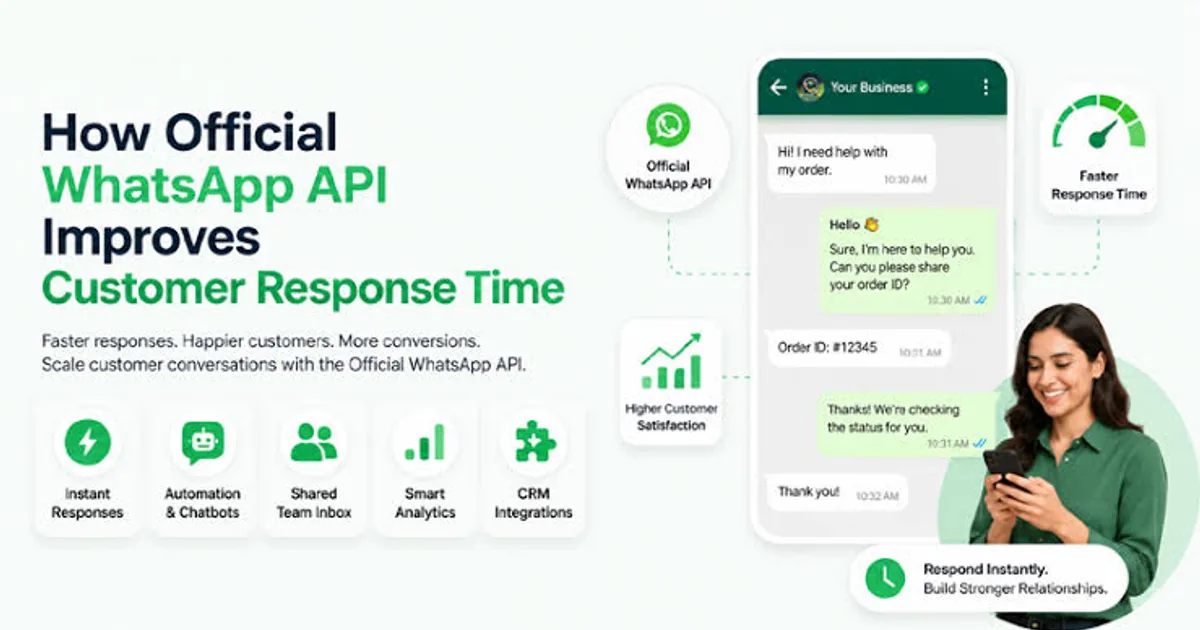
It supports rich, two-way interaction. Unlike SMS, WhatsApp messages can include images, order tracking links, quick-reply buttons, and even catalog browsing — all without the customer leaving the app.
What "WhatsApp API Automation" Actually Means
The WhatsApp Business API (distinct from the regular WhatsApp Business app most small shops use manually) lets you connect WhatsApp to your CRM, eCommerce platform, or booking system, so messages trigger automatically based on customer behavior — not a person sitting and typing each one.
Common automated flows include:
- Order confirmation and shipping updates — sent the moment an order status changes, no manual effort required
- Abandoned cart reminders — a gentle nudge when someone adds to cart but doesn't complete checkout
- Post-purchase follow-ups — a check-in a few days after delivery, often paired with a review request
- Re-engagement sequences — automatically reaching customers who haven't ordered in a while, with a relevant offer
- Appointment or service reminders — especially effective for service businesses, clinics, and salons
Where the 50% Retention Lift Actually Comes From
That number isn't a guarantee for every business — it depends heavily on execution — but it's a realistic outcome when automation closes the specific gaps that usually cause customers to quietly stop coming back:
- Reducing forgotten reorders. A lot of "lost" customers aren't lost on purpose — they simply forget to reorder. A well-timed WhatsApp nudge at the right interval brings a meaningful share of them straight back.
- Recovering abandoned carts. Customers who almost bought and got distracted are far easier to convert than new customers — a timely WhatsApp reminder often closes that gap for free.
- Building trust through responsiveness. Order and shipping updates sent automatically, without the customer having to ask, build the kind of confidence that turns a one-time buyer into a repeat one.
Integrating WhatsApp With Your CRM
The real value shows up when WhatsApp automation isn't a standalone tool but is connected directly to your CRM or order management system — so a message triggers automatically based on real customer data (order status, last purchase date, cart contents) instead of someone manually exporting a list and sending messages in bulk.
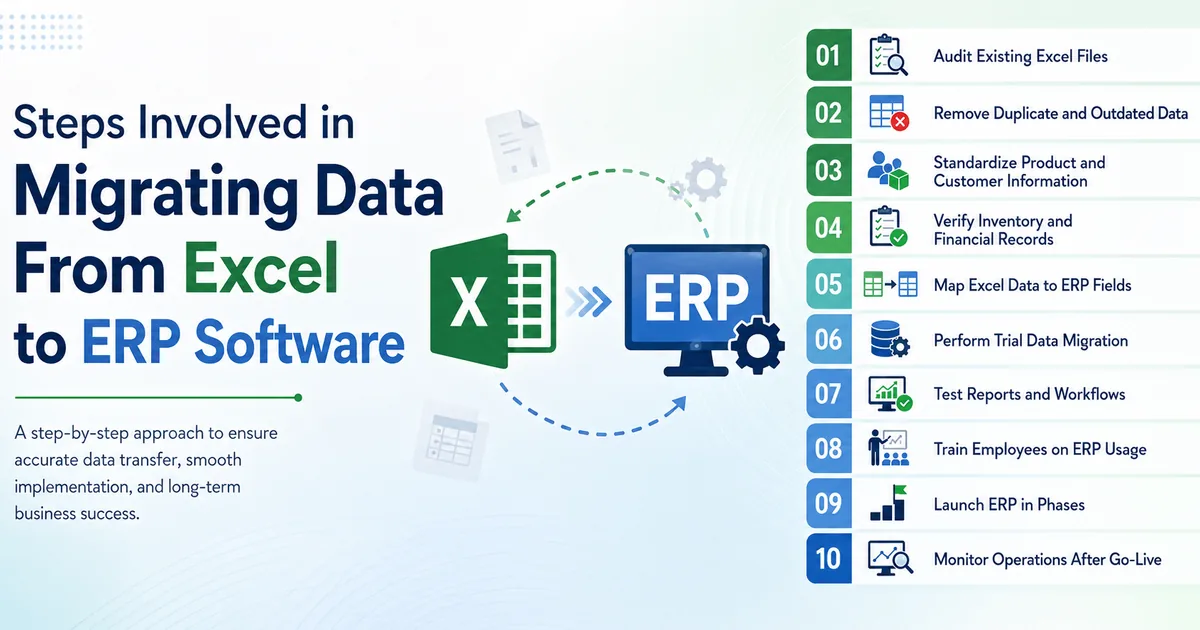
This is the same underlying shift we cover in our guide on moving from Excel to a custom CRM/ERP system — once your customer and order data lives in one connected system, automations like WhatsApp follow-ups become something that runs itself instead of something your team has to remember to do manually.
Getting the Tone Right (Automation Doesn't Mean Spam)
Poorly executed WhatsApp automation — too frequent, too salesy, no easy opt-out — damages trust fast, because WhatsApp feels personal in a way email doesn't. The brands that get this right keep message frequency reasonable, make opt-out effortless, and make sure every automated message actually carries value for the customer, not just a sales pitch.
Set Up WhatsApp Automation That Actually Works
We build WhatsApp API automation connected directly into CRM and order systems, so follow-ups, reminders, and re-engagement happen automatically instead of relying on someone remembering to do it manually. If you want to see what this would look like for your specific business, let's talk.